Logistics & Supply Chain
A Ship Needs Repairs. Who Makes Sure the Right Parts Arrive?
A planned ship-maintenance project near Chennai reveals a less visible side of logistics: checking specifications, coordinating suppliers and getting spare parts to the right place before work stops.

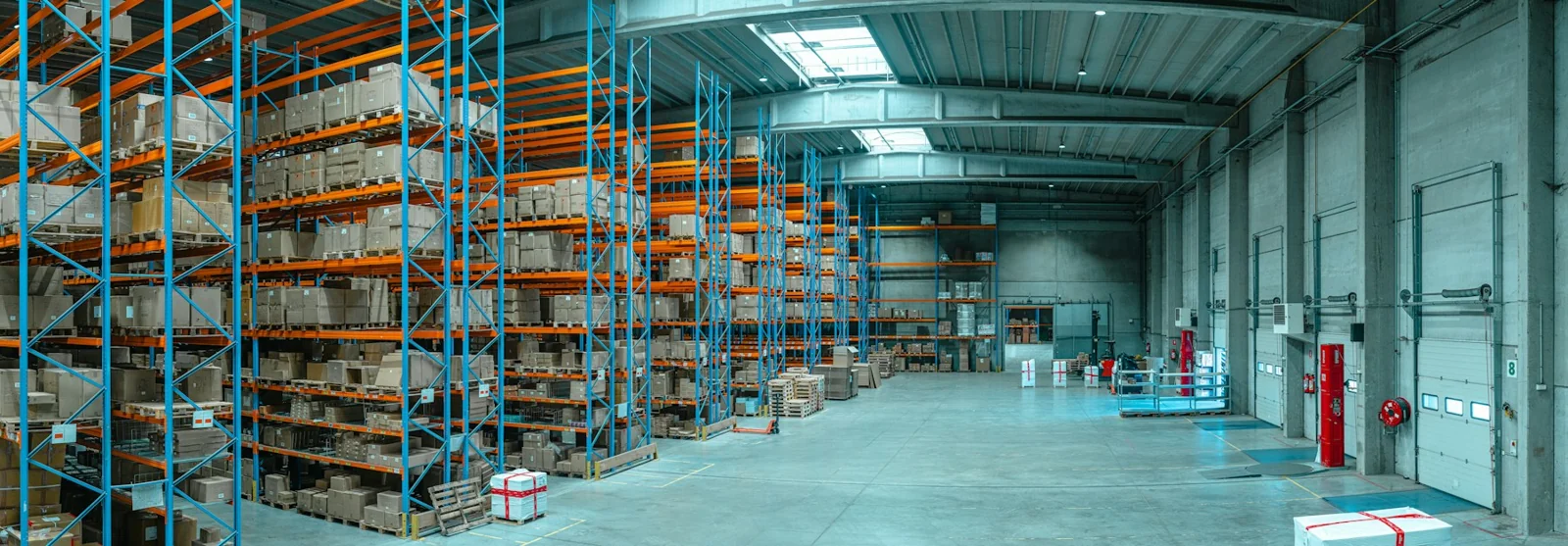
When we picture shipping, we usually imagine containers moving across oceans. But the ships carrying them also need maintenance. Behind that work sits another supply chain: spare parts, tools, materials, suppliers and delivery arrangements.
On 20 October 2026, Maersk announced its first planned drydocking in India, involving Maersk Chattogram at L&T’s Kattupalli Shipyard near Chennai. The announcement expected arrival that day, subject to operational and weather conditions. It described planned work, rather than confirming its completion. [1]
For a logistics student, this opens an interesting question: before a maintenance team can finish its work, who makes sure everything it needs is available?
That question takes us straight into procurement.
A maintenance job has its own supply chain
Drydocking allows inspection and repair of parts of a vessel normally below water. While engineers decide the technical work, other teams must coordinate the materials and services that support it.
L&T’s description of its ship-repair operations specifically identifies timely availability of spare parts as an important requirement. It also describes procurement and clearance of both Indian and imported spares. [2]
The practical lesson is wider than shipping. A food-processing unit in Palakkad, a hospital in Bengaluru or a factory overseas can face a similar problem: a necessary component is unavailable when maintenance begins.
Procurement therefore involves more than finding a seller and asking for a price. It involves making the requirement clear, checking what the supplier can actually provide, and following the order through to acceptance.
Start with the specification
Consider this invented learning example, unrelated to the Maersk–L&T project.
A marine-service business in Kochi needs a replacement pump component for a maintenance job. Its trainee receives a message: “Please arrange one urgently.”
That is not yet a complete purchasing instruction.
The trainee should obtain the approved part number, equipment model, quantity, required delivery location and date. Any requirements for certificates, inspection or technical approval should also be clarified with the responsible person.
A photograph may help identify the component. It should not become the sole basis for accepting a substitute.
If a supplier proposes a different part, the trainee records the difference and seeks technical approval. Deciding whether two components are interchangeable belongs with the authorised technical team.
This is a useful early-career habit: recognise where your responsibility ends and whose decision is needed next.
A quotation needs more than a price
Now imagine that two suppliers respond.
One offers a lower price but says availability will be confirmed after the order. The other confirms stock and gives a dispatch commitment.
Neither response should be reduced to a single “cheapest supplier” column.
A useful comparison records the specification offered, confirmed quantity, price, freight, delivery commitment, payment terms and any exclusions. It should also distinguish a supplier’s dispatch date from the date the goods are expected at the worksite.
Those dates answer different questions. A component leaving a warehouse does not mean it has reached the maintenance team.
Before recommending a purchase, highlight the unresolved points. A clear note saying “stock confirmation pending” is more useful than a confidently coloured spreadsheet hiding that uncertainty.
Follow the order through the handovers
After the purchase order is issued, the work continues.
Has the supplier acknowledged the correct requirement? Has the package been dispatched? Is tracking available? Does the receiving team know what is arriving and who should inspect it?
When it arrives, the delivery record should connect the physical item to the order. Quantity, identification, visible condition and required documents need checking through the organisation’s receiving process.
Goods received and goods accepted for use are not always the same status. Where inspection is required, the record should make that distinction clear.
For a beginner, even a simple spreadsheet can make these handovers visible. The important thing is that somebody owns the next action.
Practise with a small procurement tracker
Build a classroom exercise around five imaginary maintenance items. Give each a requirement, supplier, promised delivery date, current status, responsible person and next action.
Then introduce a complication: one supplier offers a substitute, another changes its dispatch date, and a third sends incomplete paperwork.
Write a short update explaining which items need attention, what remains unconfirmed and who must decide. Avoid “all under control” unless the records support it.
This exercise develops something employers can assess: your ability to turn scattered messages into a clear picture of the work.
If this side of operations interests you, explore Bayspro’s PG Diploma in Logistics & Supply Chain Management and consider how procurement, inventory and transport decisions connect. A logistics career can begin with learning to ask one precise question at the right time.
Practical takeaway: Before marking an item “ready”, confirm three things: it matches the approved requirement, it has reached the required location, and any necessary acceptance checks are complete.
Sources & further reading
- Maersk — First planned drydocking in India
20 October 2026 announcement. Arrival was expected that day, subject to operational and weather conditions; the release does not confirm completion.
- L&T Shipbuilding — Ship repairs, refits and mid-life upgrades
Operational background on ship repair and procurement of Indian and imported spare parts. Accessed 28 October 2026.
Put your interest into practice
Explore a relevant programme.
PG Diploma in Logistics & Supply Chain ManagementHave questions? Talk to a programme adviser.